
How To Emotionally Prepare Your Child For Their First Day Of Preschool

The first day of preschool can feel like a pretty big deal for everyone involved. I remember feeling a mix of excitement and butterflies when it was time for my own child’s first day. For a lot of kids, it’s their very first big step into a new and unfamiliar world. And for parents, there’s a blend of pride, hope, and maybe a touch of worry. Feeling nervous or emotional during this time isn’t just common; it’s expected. Both parents and kids go through a lot of feelings during this transition, and that’s totally okay. While it may be your child’s first time away from home for several hours, rest assured that most families have stood where you are. It’s a rite of passage in many ways, signaling one of the first little steps towards independence.
How Do I Prepare My Child Emotionally For Preschool?
Getting your child ready for their first day of preschool is about much more than picking out a backpack or labeling lunch boxes. Emotional prep can make a real difference once that big day rolls around. My biggest advice here is to start early and go at your child’s pace. Here are some simple steps that usually help:
- Talk About Preschool: Have casual chats about what preschool is like. You can describe what will happen, who will be there, and some of the fun activities they’ll do. Books about starting school are also super useful for setting strong, positive expectations.
- Visit Together: If it’s possible, visiting the preschool together before the first day can make the place feel less intimidating. Walking around, meeting teachers, and seeing the classroom lets your child get comfortable before all the newness hits at once.
- Practice Time Apart: Short and positive practice sessions away from you, such as playdates or staying with family, help your child build confidence and trust. This is great practice for being independent at preschool and can foster a sense of self-standing for little ones.
- Stick To Routines: Routines are comforting and help kids know what to expect. Start establishing the preschool routine a week or two in advance, including bedtime, wake time, and meal schedules.
- Encourage Talking About Feelings: Let your child know that it’s okay to feel nervous, excited, or even a little scared. Reassure them that these feelings are normal and that you’re always there to listen. Talking openly about emotions teaches kids to check in with themselves and builds emotional language they will use for years to come.
It’s helpful to talk through the preschool day, naming drop-off, meals, bathroom breaks, and pick-up. This way, there are fewer surprises and your child can start picturing what’s ahead. You might even act out a preschool day with stuffed animals or draw a simple schedule. This playful approach can boost your child’s sense of control and excitement for what’s next.
Is It Normal For My Child To Cry At Preschool?
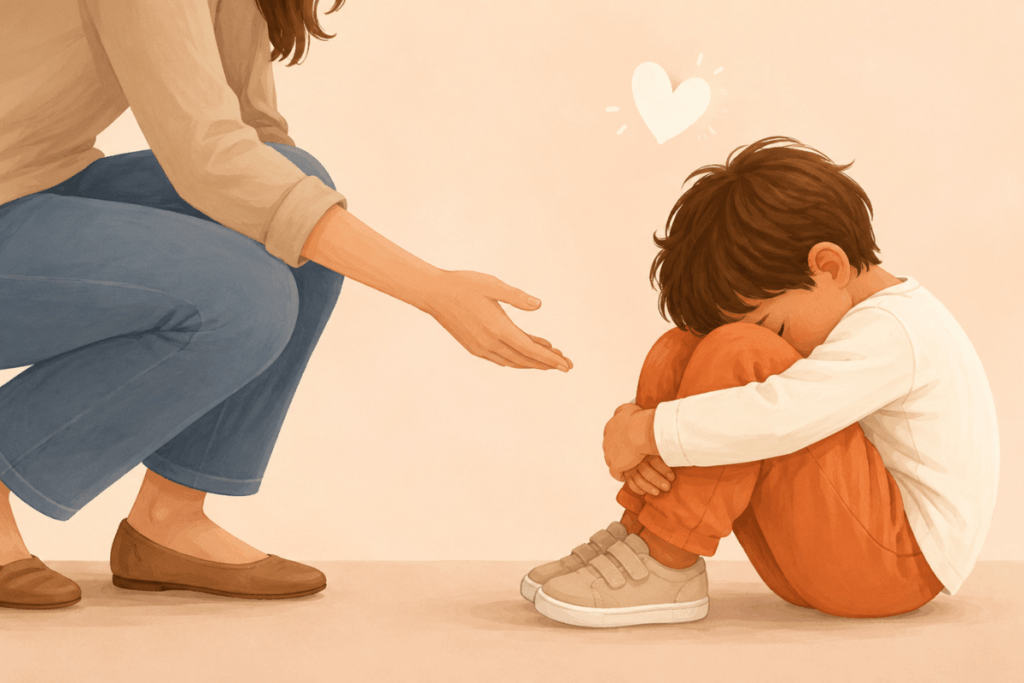
Watching your child cry at drop-off can tug at your heart, but it’s a totally normal reaction. Preschool means a lot of big changes; new environment, new adults, and lots of new friends. Some kids breeze through the adjustment, but many shed a few tears, especially in the first days. The tears don’t mean your child isn’t ready or that you’ve done something wrong. Crying is just their way of saying, “Whoa! This is different!”
What matters most is how you respond. Staying calm and positive helps your child feel safe. Teachers are pros at helping new students settle in, and usually, those tears fade pretty quickly once you say goodbye and the fun gets underway. Remember, a child’s tears are normal responses to change and shouldn’t be seen as setbacks. Often, by the time you get to your car or reach the end of the block, your child will already be exploring their new surroundings.
How Long Does Separation Anxiety Last?
Separation anxiety in preschoolers usually doesn’t stick around forever. For most kids, the hardest part is the first couple of days or weeks. After they get into the swing of things and realize that you always come back, the fears start to fade. You might notice that your child becomes more comfortable each morning, with the period of tears and worry getting a little shorter every day.
If your child is struggling longer than a few weeks, or their anxiety seems to be getting worse, it might help to talk with their teacher to figure out what could make the transition smoother. Sometimes, a favorite toy or a family photo in their backpack eases the worries. Some families share stories about missing mommy or daddy but getting to tell them all about their day after school; this creates anticipation for happy stories and reunions.
Kids work through separation at their own speed, so patience and encouragement go a long way. Keep up consistent goodbyes, and reassure your child every time that you’ll be back soon. Try to keep your own worries tucked away as much as possible, since kids are quick to pick up on your mood.
What If My Child Doesn’t Want To Go To Preschool?
It’s not unusual for even the most social kid to hit a morning where they announce, “I don’t want to go to preschool!” Sometimes it’s nerves, and sometimes it just comes down to wanting more time with you or being a little tired. This reluctance can spring up suddenly or after the excitement of the first week has worn off. Even children who have previously enjoyed playgroups or daycare can feel hesitant.
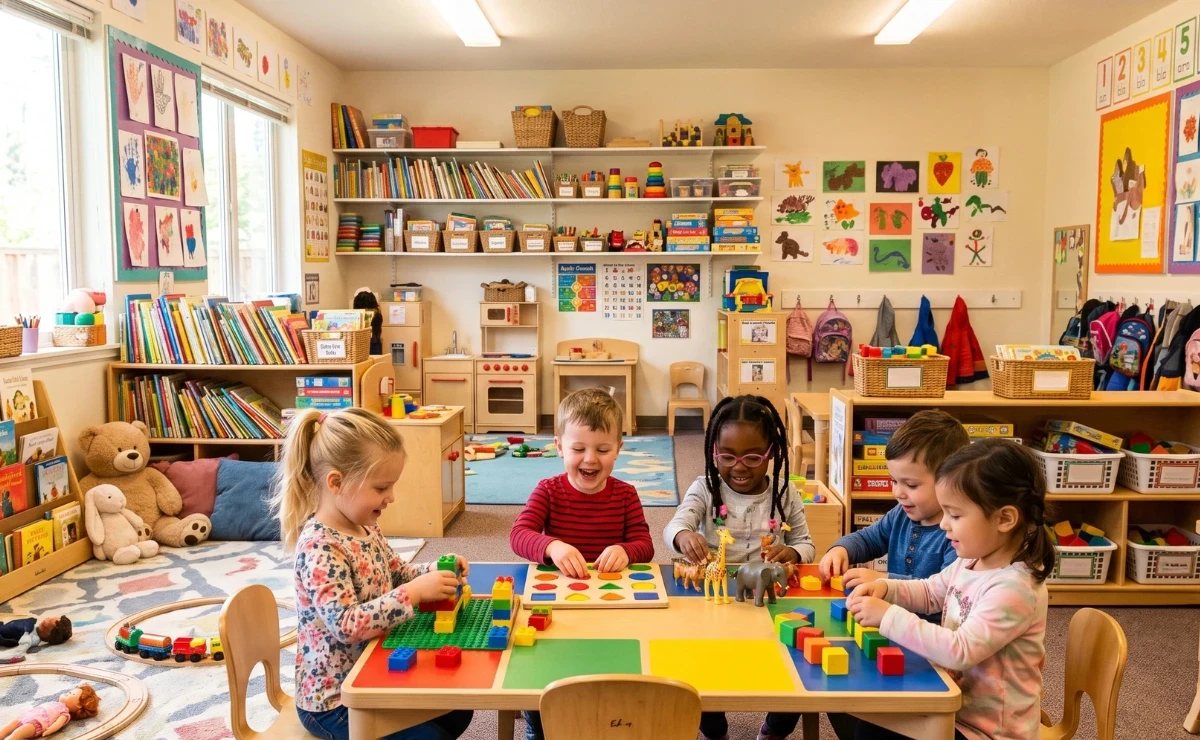
It helps to listen to what your child is saying. Try not to dismiss their worries or bribe them through the door. Instead, get curious. Ask what’s making them worried or what they’d like help with. Acknowledge their feelings and remind them of the fun things waiting for them at school; maybe it’s building with blocks, sharing a snack, or seeing a particular friend. You can also talk about the unique things about preschool your child might enjoy, such as painting, playground time, or story time sessions.
Keeping the morning routine steady and calm is key. Avoid rushing and try to make drop-offs consistent. Over time, most kids begin to look forward to their new routines and friendships. You might even set up an evening ritual to talk about what they are excited for the next school day.
Should I Stay If My Child Is Crying?
This is one of those tricky moments that pulls at every parent’s heartstrings. It feels natural to want to stay and comfort your crying child, but in most cases, a short and gentle goodbye works better. Long goodbyes or hovering can actually make it tougher for your child to adjust; sometimes, knowing you’re right there just prolongs the stress of separation.
Instead, keep your farewell steady and matter-of-fact. Give a hug, say when you’ll be back, and trust the teacher to help your child settle in. Most of the time, little ones calm down soon after their parents leave. If you’re worried, you can always ask the teacher for an update a little later. Teachers are prepared for tears at drop-off and have lots of tools to help kids feel safe and ready to participate in the day.
How Can I Make The First Day Of Preschool Easier?
There are a bunch of small things that make the start of preschool a little smoother for your child (and less stressful for you):
- Get Ready The Night Before: Pack the backpack, pick out clothes, and make lunch in advance. Mornings with less rushing are much calmer for everyone.
- Give A Comfort Item: Sometimes a familiar object, like a small stuffed animal or a favorite blanket, can offer comfort during transitions. It can even be a bracelet or a special keychain they can touch if they need to remember home.
- Arrive On Time: Getting to school at the start of the day helps your child join in group hellos and routines from the beginning, rather than feeling left out or behind.
- Plan Something Fun After School: It could be a playground stop, a special snack, or just quiet time together. Knowing there’s something familiar after school makes the day ahead feel less overwhelming. Sometimes, marking the end of the first preschool week with a family pizza night or trip to the ice cream shop can turn it into a celebration.
Remind your child that you’re always thinking of them. You can even tuck a little “I love you!” note in their backpack if they can’t read yet; just a simple heart drawing does the job too. Don’t underestimate the power of a goodbye ritual; whether it’s a silly handshake or a big squeeze, consistency brings comfort.
What Should I Say To My Child Before Preschool?
Words of encouragement mean a lot, especially for preschoolers stepping into something so new. Here are some ideas for what to share in the mornings before school:
- “You’re going to play and learn lots of new things today!”
- “I’ll pick you up right after story time.”
- “It’s okay to miss me; just remember, I always come back.”
- “Your teacher is there to help you if you need anything.”
- “I’m so proud of you for trying new things.”
If your child is nervous or having a tough morning, keep your words simple, steady, and encouraging. Kids pick up on your vibes, so showing confidence in them helps boost their own sense of security. You can even remind them about something specific to look forward to after school, like sharing a favorite snack or reading a book together at home.
How Do I Handle Preschool Drop-Off Anxiety?
It’s totally normal to feel a bit anxious yourself on preschool mornings. The trick is to stay positive and keep things predictable. Here’s what works for a lot of families:
- Keep Goodbyes Consistent: Creating a quick, upbeat goodbye routine makes things easier. Maybe it’s a hug, a high-five, or a cheerful wave.
- Stick To The Routine: Doing things the same way each morning helps both you and your child know what’s coming next.
- Stay Calm and Reassuring: No need to sneak out, and no need to drag things out. Say goodbye, smile, and let your child know when you’ll return.
- Trust The Teachers: Preschool staff have seen all kinds of drop-off challenges and usually know just what to do to help your child settle in. If your child is really having a hard time, don’t be afraid to ask for guidance; teachers are full of suggestions and can offer solutions tailored for your child.
Most kids adapt faster when the handoff is clear and predictable. If you’re feeling especially anxious as a parent, try connecting with other parents or sharing your feelings with the teacher. You’re not alone, and a little support can go a long way. Just remember: every drop-off is another step toward confidence and independence for both of you.
Frequently Asked Questions
Here are answers to a few questions I get asked all the time about starting preschool:
Question: My child gets very anxious before preschool even starts. What should I do?
Answer: Start talking about school long before the first day, and keep it upbeat. Visit the classroom if you can, and give lots of reassurance. Some kids just need more time and practice with new situations. Practicing saying goodbye on short outings together can also help build confidence for longer goodbyes.
Question: Should I tell my child all the details about their school day?
Answer: It helps to give a simple, step-by-step rundown, like when drop-off happens, what comes next, and when you’ll be back. Too many details can be overwhelming, so stick to the basics at first. As your child gets more comfortable, you can add in more specifics about their school schedule if they ask.
Question: What if my child is really shy and doesn’t want to talk to other kids?
Answer: You can help by modeling friendly greetings at home and reminding your child that it’s okay to take their time making friends. Most preschools provide lots of chances for group play, and shyness usually eases up with practice. Encourage your child to bring a favorite toy to share or ask the teacher to pair them up with a buddy for activities.
Question: Is it okay to check on my child during the school day?
Answer: Most schools understand parents want updates, especially during the early days. Just ask the teacher how they prefer to communicate, whether it’s a text, email, or a quick call. Try to keep check-ins brief, as lingering can make farewells tougher for your child. Remember, updates from teachers can be reassuring for you while giving your child space to settle in.
The start of preschool is a big step for both parents and kids. A little bit of emotional prep plus lots of reassurance really helps the whole family ease into this new chapter. You’ll both gain more confidence with each passing day. Before you know it, your child will be sharing new stories, showing off fresh artwork, and settling into routine with a smile; memories you’ll treasure for a lifetime.