
Dealing With Separation Anxiety When Starting Preschool

Preschool is a big milestone for kids and parents, but separation anxiety can sneak up and make mornings pretty stressful. I’ve seen how tricky the first drop-offs can be, and I know it’s easy to wonder if your child’s reaction is normal or if there’s anything specific you can do to help. Whether your little one is suddenly clinging at the door or has always had a tough time saying goodbye, I’m breaking down what helps, why separation anxiety happens, and how you can turn preschool drop-offs into more positive moments.
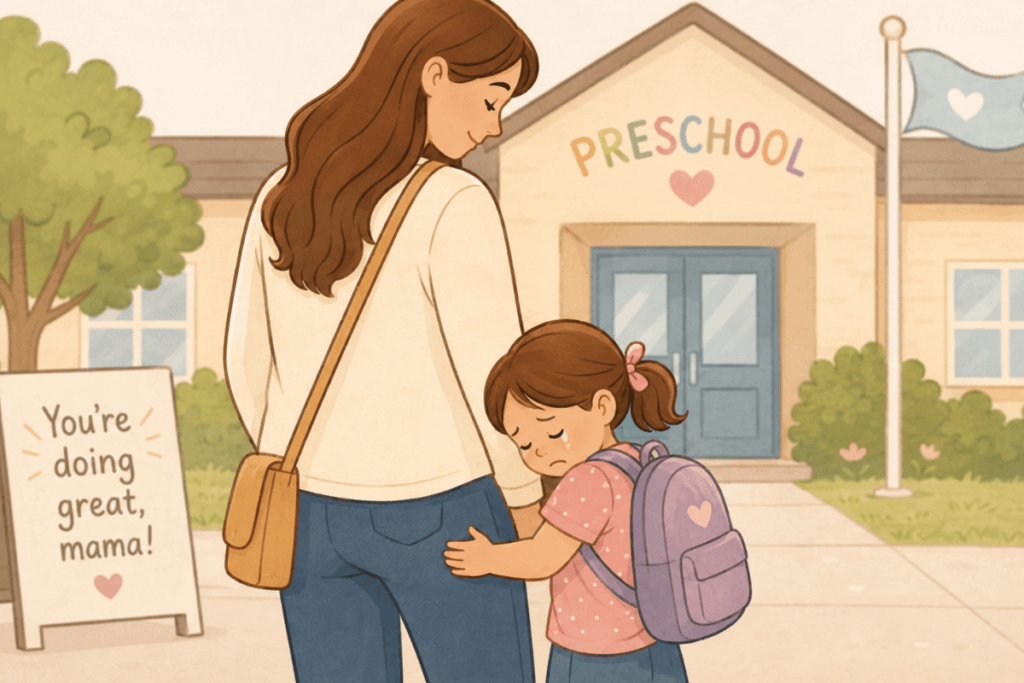
Understanding Preschool Separation Anxiety
Separation anxiety shows up when a child feels nervous or upset about leaving their parents or caregivers. For preschoolers (especially ages 1 through 5), this is really common, and it’s a part of healthy development. Kids in this age group are figuring out that their parents can go away, and, more importantly, that they’ll come back. But it’s totally normal for a 3-year-old to suddenly have more intense separation worries, especially with new transitions like preschool.
Some kids might have never really struggled with being apart until that first day of drop-off, while others have always been sensitive to separations, even short ones. Both situations are normal, and age plays a role, too; kids as young as 1 year old up through age 5 can experience separation anxiety in different ways. You might notice patterns or triggers unique to your child or your family’s routine, and even changes you don’t think are significant could impact your child’s comfort and sense of security.
What Separation Anxiety Looks Like at Different Ages
- 1-year-old: Might cry, cling, or refuse to be put down when dropped off anywhere new.
- 2-year-old: May throw tantrums or try to follow you out the door, sometimes using words to protest.
- 3-year-old: Can have sudden increases in separation worries, especially around big changes like starting preschool or a new caregiver.
- 4-year-old: Often uses more words to express fears but may also stall, complain about tummy aches, or become weepy during bedtime or morning routines.
- 5-year-old: Might worry about what will happen while you’re gone and may ask lots of “what if” questions as drop-off approaches. Sometimes, anxieties switch from daytime to nighttime separation.
These reactions can crop up seemingly out of nowhere, even if your child was excited about school the week before. Some regression is totally normal during big changes, and it’s helpful to keep an eye out for any shifts in their typical response to goodbyes. If your child was previously confident and is suddenly upset, look for recent changes or stressors that might have contributed.
Common Signs of Separation Anxiety in Preschoolers
- Clinging to a parent or caregiver
- Crying or tantrums before, during, or after drop-off
- Complaints of stomachaches or headaches with no clear cause
- Trouble sleeping, especially at bedtime (nighttime separation anxiety)
- Frequent check-ins: asking “when are you coming back?” or “how many minutes?”
If you’re seeing these behaviors regularly, your child might be having a tough time adjusting to the new routine. Sometimes, kids will also have trouble settling into classroom activities or may be more irritable at home as they process their new experience. Teachers often see these behaviors the most at the start of a new school year or after longer breaks.
What Triggers Separation Anxiety at Preschool?
It’s not just about not wanting to go to school. Kids are dealing with a lot: a new environment, unfamiliar adults, different routines, and time away from the comforts of home. Some triggers include:
- Starting school for the first time
- Moving to a new classroom or school
- Changes at home, like a new sibling or moving houses
- Family stress or routine changes (even subtle ones, like a parent returning to work)
Recognizing these triggers helps you meet your child where they are emotionally, instead of trying to “fix” their anxiety overnight. Also, major milestones for the family, such as a move, loss, or even excitement about vacations, can be reflected in how your child adjusts to separation. Keeping communication lines open with teachers can help you track down patterns in your child’s mood or behavior at school.
How to Help a Preschooler With Separation Anxiety
Supporting your child means giving them the confidence to handle short separations and building up their trust that you’ll return. Here are a few go-to moves that can really help:
- Keep Goodbyes Short & Sweet: Lingering makes anxiety last longer. A quick hug, a confident “I’ll be back after storytime!” and heading out signals to your child that the day will go on, and you’ll see each other soon.
- Practice Separations in Small Steps: Spend short periods apart before the start of preschool. This can look like short playdates or time with a grandparent. Keep the goodbye routine consistent each time.
- Make Drop-Offs Predictable: Kids feel safer when they know what to expect. Create a short routine (like reading a page of a book at the door, or two hugs and a wave from the window) and stick with it every day. When your child can depend on what happens at drop-off, the transition gets easier over time.
- Bring a Comfort Object: Some schools allow a small stuffed animal, family photo, or even a parent’s scarf. These little reminders can make the classroom feel less lonely.
- Talk About Feelings: Give words to their worries, like “It sounds like you’re feeling sad when I leave, and that’s okay. I’ll always come back.” It’s validating and reminds them their feelings make sense. Let your child draw or role-play with dolls to act out goodbyes; sometimes play helps them process the big emotions of separation.
Extra Tips for Different Ages and Scenarios
Sudden Separation Anxiety in a 3-Year-Old
Even if your child was previously fine at drop-off, a big change at home or a bad day can spark a new wave of anxiety. Check in with your child about anything new happening and touch base with the teachers for reassurance about how your child settles in after you leave. It can also help to preview what’s coming (“After you say goodbye, you’ll get to play with blocks and listen to music.”) so your child can picture the fun ahead.
Helping a 4-Year-Old With Separation Anxiety at Preschool
Preschoolers this age are often more verbal about their fears. Try creating a “worry plan”—a simple chart or drawing about what happens step by step at drop-off, where you’ll be, and who to talk to if they feel sad. Sometimes knowing exactly what comes next provides the comfort they need. Encourage your child to use words to share their feelings or talk with a teacher when they feel upset.
Separation Anxiety at Night (Especially for 4-Year-Olds)
Bedtime can trigger fears about being apart, too. Try the same techniques you use in the morning; predictable routines, reassuring words, a favorite lovey, and a visual schedule for the evening. If your child’s nighttime worries get in the way of sleep a lot, talk with their teacher too, since transitions can sometimes make separation anxiety peak both at night and in the morning. Gradually building positivity around bedtime by introducing fun nightlights or relaxing music can also help.
Trying Preschool Separation Anxiety “Treatments”
If everyday strategies aren’t helping, a few extra steps can make a big difference:
- The 3-3-3 Rule: If anxiety spikes during the day, this simple rule can help calm racing thoughts. Ask your child to name 3 things they can see around the room, 3 things they can touch, and 3 deep breaths to calm down. It’s a tangible way to bring their focus back to the present and can be taught as a game.
- Gradual Exposure: For really tough cases, work with your preschool to do shorter separations at first, then gradually increase the time apart. This slow build helps kids feel more confident each time. Teachers and parents can work together to decide when and how to stretch the time apart, always celebrating small wins to encourage the child.
- Partner with Teachers: Teachers have seen it all. Let them know what your child finds helpful or any personal cues that calm them. Having that “extra grown-up” on your child’s team makes a difference. Regular communication with teachers can also help you figure out if anxiety decreases once you’ve left, which is often the case.
If separation anxiety sticks around for more than a month, or gets worse, chat with your child’s doctor just to make sure there’s not something else going on. Sometimes, longer lasting anxiety may signal something deeper that’s worth checking in about, such as changes in mood or issues outside of school.
Frequently Asked Questions
Is separation anxiety normal for a 3-year-old?
Definitely. It can pop up suddenly, even if your child’s always loved new places. Surges in anxiety are common at ages 1, 2, 3, and 4, especially during major changes. Most kids adjust within a few weeks.
How do I help my 2-year-old or 4-year-old with tough drop-offs?
Consistency is your best friend here. Stick with a quick, predictable farewell ritual and keep in touch with the teachers. A comfort item from home can also help smooth out early weeks. Try practicing short goodbye games, and always say goodbye instead of sneaking away; honesty builds trust.
What should I do if my 5-year-old is still struggling?
Older preschoolers sometimes have more complex worries (“What if you get stuck in traffic?”). Visual timers, schedules, and letting kids help plan their day at school can ease fears. If it’s not getting better, a pediatrician or child therapist may have helpful insights. Be patient and open to experimenting with strategies that fit your family and child’s needs.
Is nighttime separation anxiety different than daytime?
It feels similar to kids; the big worry is about being apart. Make nighttime as predictable and comforting as possible. Bedtime stories, familiar routines, and a nightlight give kids extra security in the dark. Some children benefit from a transitional object at night or stories that focus on overcoming fears and feeling safe.
Daily Habits That Support Independent Transitions
Kids thrive with predictability. Setting up morning and evening routines that build independence, like letting your child choose their own backpack or help with breakfast, helps them feel more in control. Give lots of positive feedback for brave goodbyes or trying out new routines. Encouraging small acts of independence each day can build their confidence for bigger transitions.
- Praise efforts, not just results (“You were really brave at drop-off today!”)
- Talk about plans and what to expect tomorrow
- Read age-appropriate books about saying goodbye and starting school (ask your library for recommendations)
You can also stay connected by adding a little note or special sticker inside your child’s lunchbox, reminding them that you’re thinking of them even while you’re apart. Little reminders of home can offer comfort throughout the day when your child may need a boost.
Preschool Separation Anxiety: When to Get More Help
If anxiety starts getting in the way of eating, playing, or making friends, or if it lasts longer than four weeks, it’s a good idea to reach out for professional support. Your child’s doctor or a child psychologist can help you figure out if there’s an underlying issue or just a bump on the preschool adventure. Don’t hesitate to ask for help; professionals can offer tips tailored to your child and help families thrive during transitions.
Remember, most kids move through separation anxiety naturally with support, practice, and a little extra patience during big changes. Keeping the lines of communication open and working together with teachers helps everyone feel more prepared. With time and consistency, things get smoother, and both kids and parents can look forward to more confident mornings at preschool.