
Choosing The Right Preschool: A Parent’s Guide

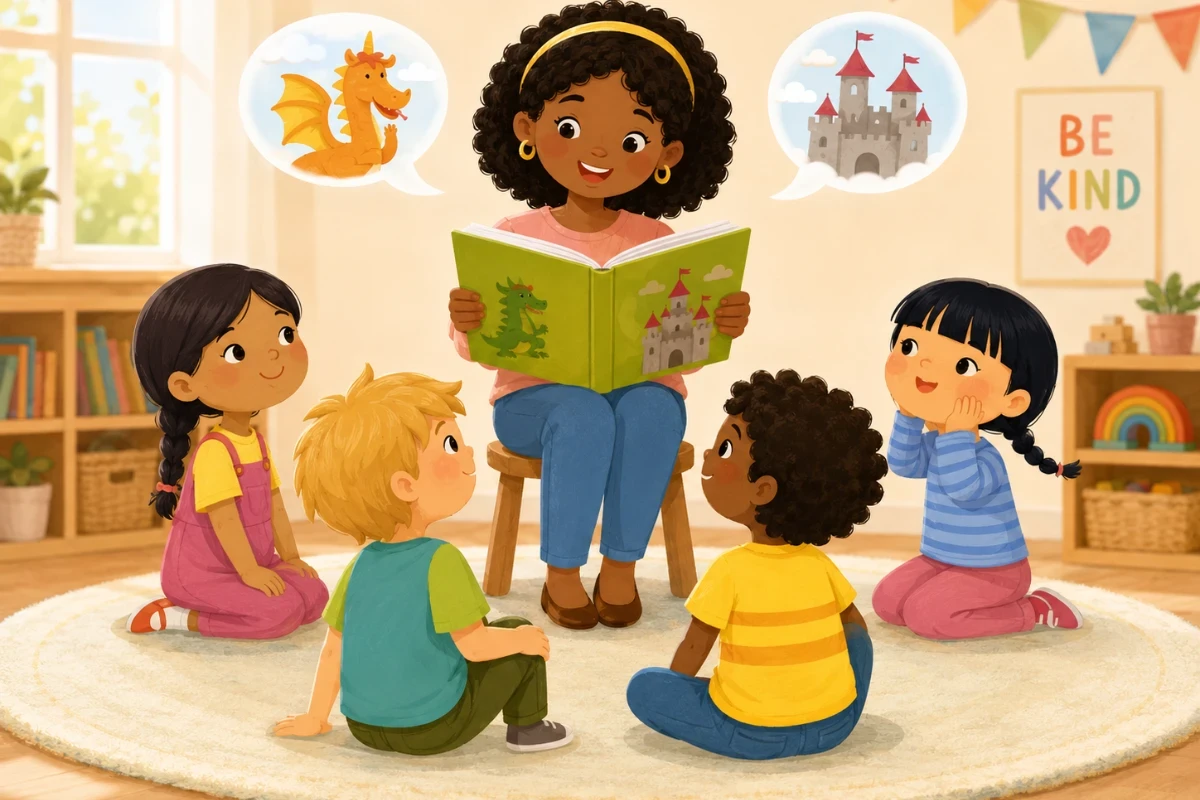
Deciding on the right preschool for your child can feel a bit overwhelming; there are so many options and opinions! I went through this process myself not long ago, and I realized just how much more goes into the choice than picking the closest or flashiest school. Preschool is where your child will spend a lot of time growing, playing, and learning how to be part of a group. That means it’s pretty important to find a great fit for your family.
The good news is, you don’t need to become a preschool expert to make a solid choice. This guide breaks things down into simple steps and questions, so you can find a preschool that matches your kid’s needs and your family’s daily life. Whether you’re looking for a school full of tech-focused gadgets or somewhere a bit more cozy and play-based, these insights should help you feel good about your decision. If you’re feeling lost, you’re not alone! Many parents stumble upon similar worries, so having a list of what matters to you most is a helpful place to start.
Start With What Your Family Actually Needs
I found it really helpful to start by thinking about what worked best for our family’s schedule, budget, and logistics. For example, I needed a preschool close to home and one offering full-day hours because of my work schedule. Some families might need part-time, a school with earlier drop-off, or something directly on the way to a sibling’s school. List out your must-haves, like location, hours, and transportation first. If you have a tight budget, be sure to factor in tuition costs, registration fees, and any extras. Don’t forget to think about parking or public transit access, which can make your mornings and afternoons a lot less stressful! Sometimes little things like nearby coffee shops, onsite playgrounds, or parent waiting areas also make daily life run smoother.

Think About Your Child’s Personality and Needs
No two kids are alike, so a preschool that works for your friend’s outgoing kid might not feel right for a shy or cautious child. Some schools have bigger classes with lots of noise and group activities, while others offer quieter spaces and smaller groups. Some kids thrive with schedules and routines, while others do better with a bit more flexibility. If your child has special needs, allergies, or speaks a language other than English at home, ask if the school has resources or teachers who have experience with that. Paying attention to your child’s personality can help you spot a program where they’ll really thrive and feel valued.
Helpful questions to consider:
- Does my child need extra support during transitions or when trying new things?
- Is my kid super active or more laid-back?
- What’s my child’s comfort level with group play and sharing?
Understand the Preschool’s Learning Philosophy
Preschools use all sorts of terms; Montessori, play-based, academically focused, and so on. These aren’t just marketing buzzwords; they actually describe the approach to learning and play. For example, Montessori classrooms usually let kids pick their own activities and focus a lot on independence and hands-on learning. Play-based schools use play as the main way to learn new skills. Some places combine several approaches.
If you’re not sure about the differences, ask for a tour and watch how kids are learning. Ask staff what a typical day looks like and how much time is spent on structured activities versus free play. There’s no “best” method, only what matches your child’s personality and your own comfort level with the school’s vibe. Think about whether your child would do best with structured lessons, more relaxed exploration, or a balance. This all comes into play when choosing your best match.
Look Beyond the Cute Classroom
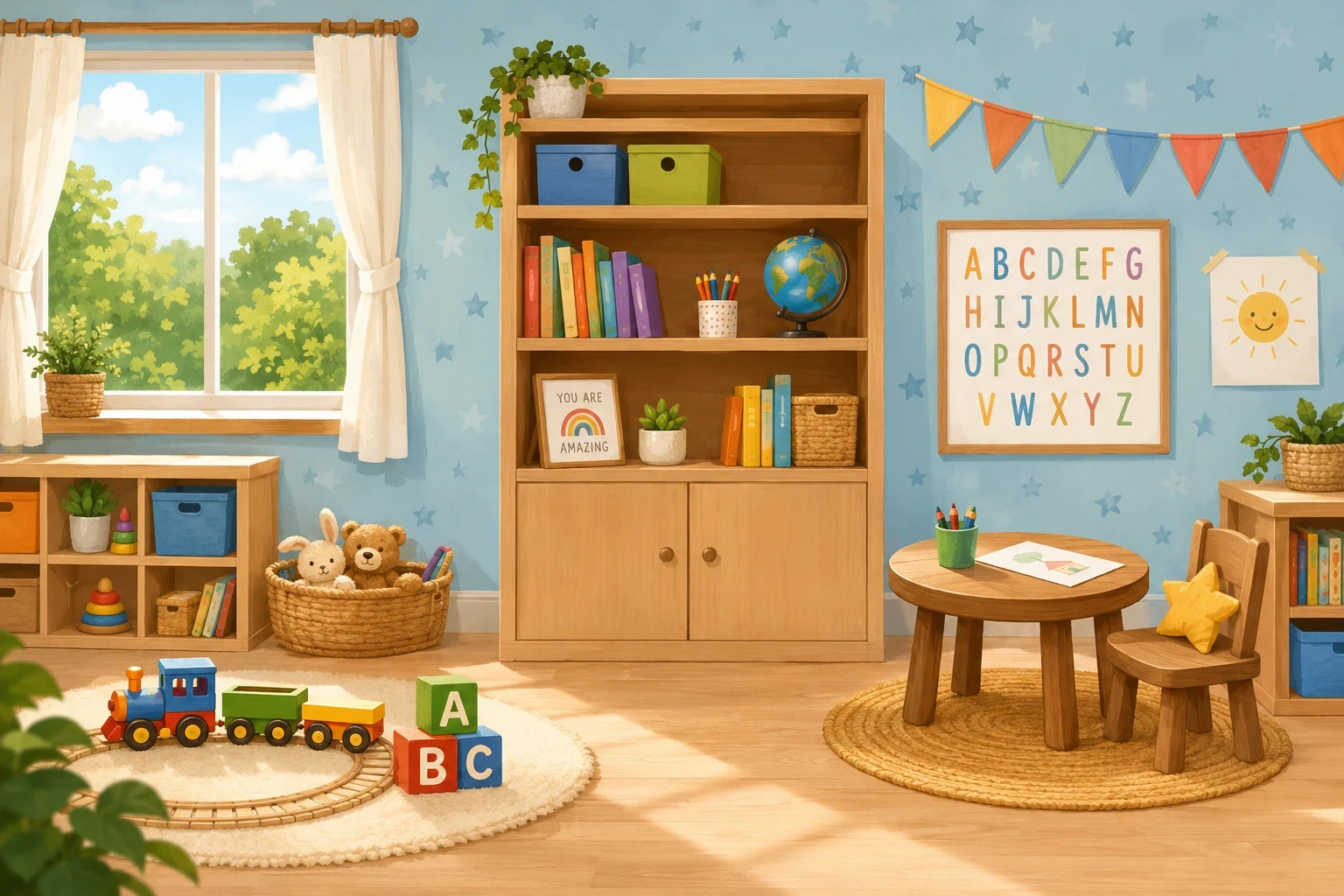
Colorful posters and cheerful toys do make a classroom look inviting, but it’s worth peeking a bit deeper. For example, check if materials are organized so kids can find things and clean up after themselves. Notice if the space is clean and the playground equipment is well maintained. I also checked to see if art supplies, puzzles, and books were in good shape and easy for kids to reach.
It’s also smart to look for safety basics, like locked entrances, childproofed outlets, and a secure outdoor play area. The environment should encourage curiosity while also keeping kids safe. Take a moment to glance at emergency exit plans, smoke detectors, and how staff supervise outdoor time. These details matter as much as the decor!
Ask About Teachers and Classroom Size
Teachers have a huge impact. My own child remembered preschool teachers for years! Good preschools have teachers who are not only experienced, but who genuinely enjoy working with young kids. Ask about their training, years of experience, and how long they usually stay at the school. Frequent turnover can be a sign of management problems or unhappy staff.
Check out the student-to-teacher ratio too. Smaller ratios mean more attention for each child, especially for little kids who are learning to speak up and ask for help. Schools with larger groups may pair teachers or mix in assistant teachers to keep a well-trained eye on everyone. Ask about staff background checks and ongoing training, which can help reassure you about safety and quality.
Find Out How Discipline and Big Emotions Are Handled
Preschoolers have big feelings, and disagreements or tantrums are totally normal at this age. Ask how teachers handle challenging moments. Are there timeouts, or do teachers use redirection and conversations? I always felt better knowing that a school was focused on helping kids name their feelings and solve problems together. It’s also worth asking how teachers manage transitions (like moving from playtime to lunch) and how they help kids who might feel overwhelmed or nervous. Well-trained teachers can turn meltdowns into teaching opportunities about empathy, patience, and self-control.
Ask About Separation and the First Few Weeks
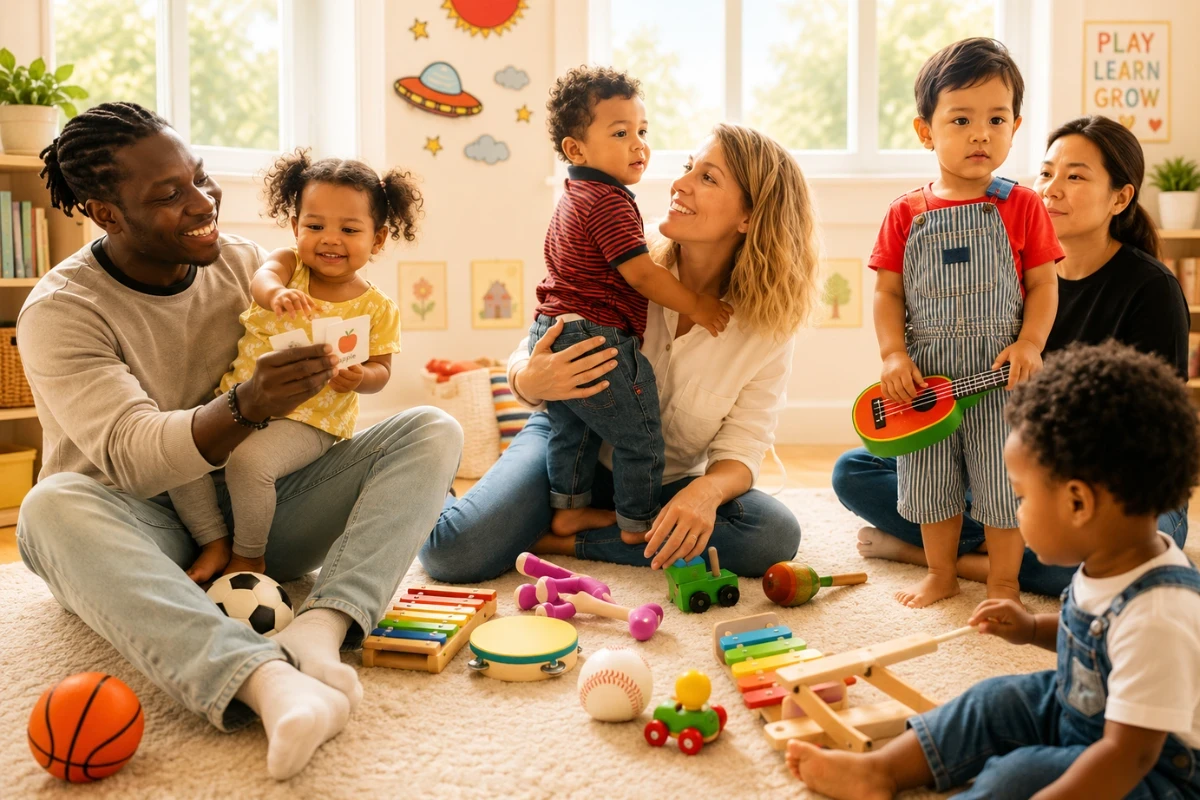
Starting preschool is a big transition, even for outgoing kids. Some schools offer a “phased-in” period where you can stay for a while, or shorter first days until kids feel comfortable. Others have a quick drop-off policy. Knowing what to expect ahead of time helped ease my own nerves as much as my child’s. Ask how teachers support kids (and parents!) during these early days and if there’s a plan for kids struggling to separate. Will parents be called if a child stays upset, or do teachers have strategies for comforting children and building trust? Every school does this a bit differently, so it’s okay to ask for examples.
Don’t Forget the Bathroom Questions
Potty training is one of the big hurdles at preschool age. Policies can vary a lot. Some preschools need kids to be fully trained, while others are more flexible. Ask if teachers will help with accidents, what happens if a child needs a change, and whether there’s a bathroom in the classroom or nearby. I brought an extra set of clothes each day just in case, and my child’s school handled accidents discreetly, which saved a lot of embarrassment for everyone. Don’t be shy about asking for details; bathroom comfort and support are a big deal for little kids!
Ask About Safety, Illness, Food, and Allergies
Allergies and sickness spread quickly in preschool groups. Check if the school has allergy protocols, like nut-free policies, and whether teachers are trained to use EpiPens if needed. Ask about the procedure if your child is sick, including when they can return and how parents are notified if there’s an outbreak of something like pink eye or chickenpox.
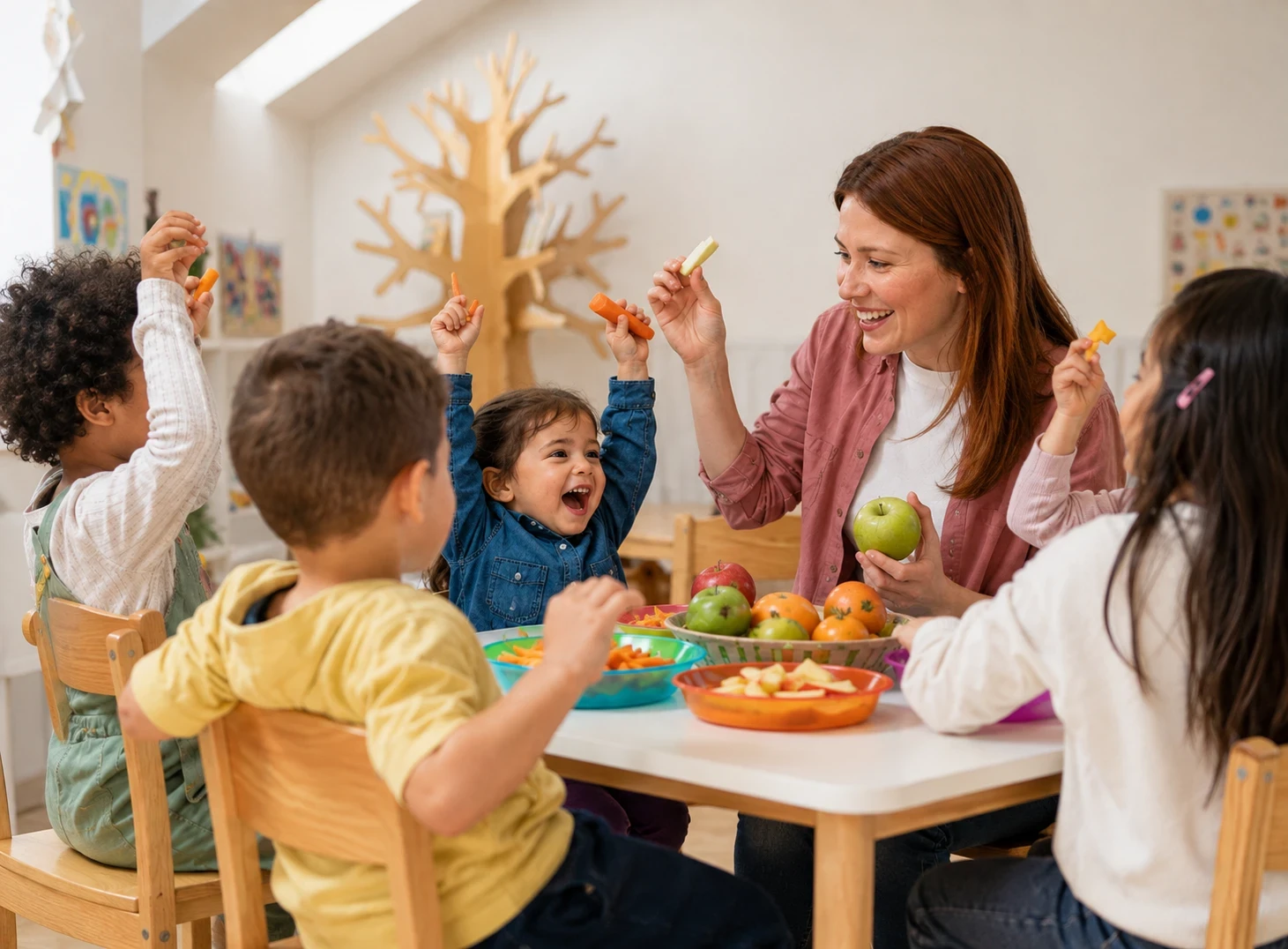
It’s also important to check what snacks or meals (if any) are served and whether there’s supervision during meal times. Some preschools ask parents to pack snacks or lunches, while others provide food. Find out if kids are encouraged to wash hands regularly and whether there’s regular cleaning of toys and surfaces. If your family follows specific dietary guidelines, ask if accommodations can be made.
How Will the Preschool Communicate With You?
Keeping in touch with teachers is super important. Some schools send weekly emails or daily reports, while others use apps or invite parents to occasional conferences. I appreciated getting updates on what my child was doing, especially when they were too little to explain. Find out how you’ll be updated about your child’s day, upcoming events, and any concerns that come up. Clear communication helps you stay involved and address any small challenges before they grow into bigger issues. Some preschools even share photos or artwork through private online galleries—just one more way to stay connected to your child’s day!
Understand the Costs Before Enrolling
Preschool tuition and fees can really add up. Ask for a clear breakdown of all charges, including registration, materials, field trips, snacks, and late pickup fees. Some schools have fundraising expectations too. Ask if there’s a sibling discount, scholarship options, or sliding scale tuition for families who qualify. Remember to check the payment schedule; some programs require monthly, quarterly, or full-year payments upfront. Planning ahead helps prevent surprises.
Preschool Red Flags Parents Shouldn’t Ignore
- High staff turnover or unhappy teachers
- Dirty, unsafe, or cramped facilities
- Vague answers about discipline or safety policies
- Kids look bored, unhappy, or are ignored by teachers
- No opendoor policy for parent visits
- Unwillingness to discuss curriculum or routines
Questions to Ask Yourself After the Preschool Tour
- Did my child seem comfortable in the classroom?
- Was I welcomed and my questions answered openly?
- Can I picture my family dropping off and picking up here every day?
- How did the other children and teachers interact?
- Did anything feel off or make me second-guess?
Trust your gut. The right preschool for you is the one where your family and your child feel safe, respected, and excited to come back the next day. If you track down a place that checks your most important boxes and feels right, you’ve made a great choice!