
10 Fun Activities To Boost Early Reading Skills In Toddlers

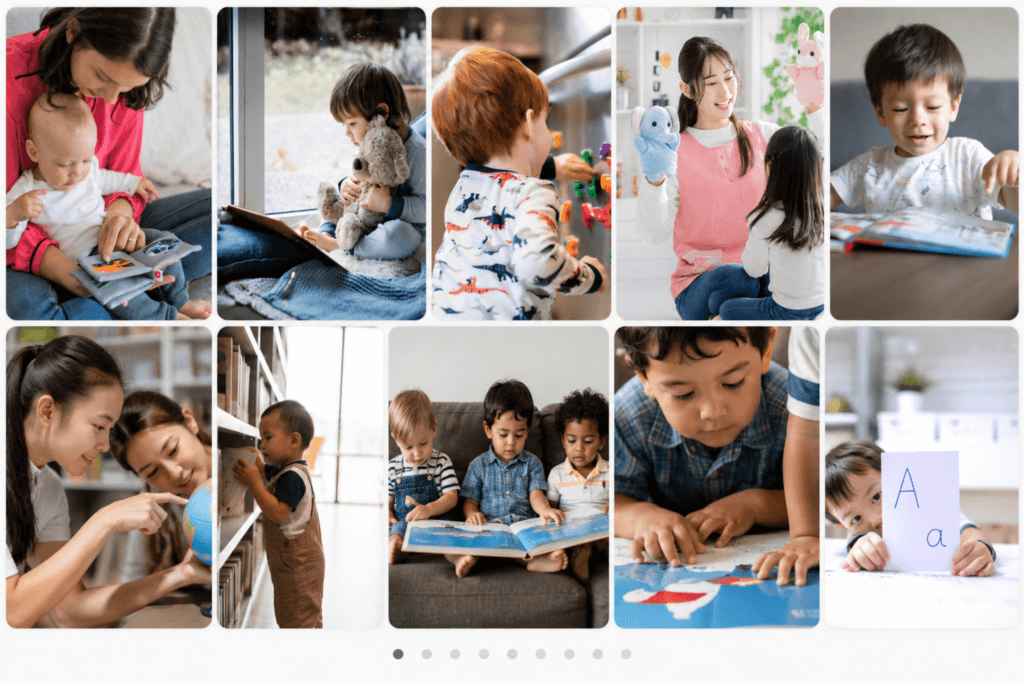
Helping toddlers develop strong reading skills doesn’t have to feel like a chore. At this age, the best way to spark an interest in books and language is by making it all about fun. Kids learn fastest when they’re playing, laughing, and exploring with those around them, so building reading skills becomes way more effective if you weave it into daily activities and playtime.
Whether you’re a parent, grandparent, or early childhood educator, keeping things simple and hands-on is always a win. You don’t need fancy toys or expensive subscriptions, since most of these activities can be done right at home using everyday stuff, or during daily routines like mealtime or bath time. These tips are tried and true, used by plenty of families just like yours.
I’ve rounded up my 10 favorite activities to boost early reading skills in toddlers. They’re practical, easy to set up, and based on what’s actually worked for me and other families I’ve teamed up with over the years. Time to roll—let’s jump in!
1. Read Aloud Every Day
Spending even ten minutes a day reading aloud with your toddler can have an impact on their language skills. Toddlers might not always sit still for a whole story at first, and that’s totally normal. Just showing them the pictures, hearing your voice, and pointing to words on the page helps get the basics down. I usually keep a few board books or picture books in places where we hang out, like the living room or next to the bed, so I can grab one anytime we have a free moment.
Tips for Reading Aloud
- Pick books with bright pictures, rhymes, and repetition.
- Use different voices for characters or animal sounds for extra giggles.
- Let your toddler turn the pages and point to things they recognize.
- Ask simple questions about what’s happening on each page, such as, “Where’s the dog?” or “What color is her hat?”
2. Sing Nursery Rhymes and Songs
Songs with repetitive lyrics and rhymes help toddlers notice the sounds in words—a skill called phonological awareness. Singing classics like “Twinkle Twinkle” or “The Wheels on the Bus” supports early reading skills in a super fun way. I’ve noticed music perks up even the most fidgety toddlers, and you can sneak it in anywhere—during car rides, in the tub, or while making lunch.
Why Songs Work So Well
- The rhythm and rhyme help toddlers remember new words and patterns.
- Clapping or tapping along adds a movement element, which keeps them engaged and helps with memory.
- Keeps things relaxed; there’s no need for a perfect performance.
3. Play with Letter Magnets
Letter magnets on the fridge or a magnetic board are simple and versatile. Toddlers love sticking them on, taking them off, and rearranging them. There’s no need for your child to “spell” just yet. Simply naming the letters, talking about their colors, and connecting them to your child’s name helps them start to recognize what letters are all about.
Easy Ways to Play
- Find the first letter of your toddler’s name and point it out often.
- Match magnets to the first letters of favorite foods or toys; for example, “B” for banana or bear.
- Group letters by color or size for a sorting game.
4. Story Time with Props
Adding simple props to story time makes books come alive. I use soft toys, puppets, or even household items like a blanket for a “cape” or a spoon for a “wand.” Act out scenes as you read, so toddlers can play along. This keeps curious kids involved while helping them make connections between words, stories, and the world around them.
Ideas for Story Props
- Collect small stuffed animals for “Old MacDonald” or “Brown Bear, Brown Bear.”
- Make paper crowns or wands for fairy tales.
- Use toy cars, blocks, or dolls to recreate story scenes on the floor.
5. Have a Letter Scavenger Hunt
Turn your home into a mini adventure by looking for letters, either in books, on boxes, or in everyday labels and signs. You don’t need to quiz your toddler; just make a game out of spotting letters and naming them. This keeps things light and playful. Plus, toddlers love showing off their finds.
Scavenger Hunt Tips
- Pick one letter to look for each day, such as “S” on the cereal box or “B” on a book spine.
- Use sticky notes to “tag” letters as you find them together.
- Cheer for every discovery, even if the letter is upside down or backwards!
6. Explore Wordless Books
Wordless picture books are some of my top picks for toddlers, since there’s no right or wrong way to read them together. Make up your own stories based on the pictures, or ask your child to help tell what’s happening. This builds important storytelling and sequencing skills before they even know all their letters.
How to Use Wordless Books
- Point to the pictures and describe what you see, for example, “The cat is jumping!”
- Ask your toddler what they think the characters are feeling or doing.
- Let your toddler “read” the book to you, even if it’s just babble or sound effects; they’re building confidence with books.
7. Create an Alphabet Art Project
Art time can easily become letter learning time by adding a reading twist. Draw a big letter on a piece of paper and let your toddler decorate it with stickers, paint, or collage materials. Connecting art to letters helps toddlers remember what each letter looks like—plus, they love the hands-on messiness.
Project Ideas
- Make a “Letter of the Week” poster to hang on the wall.
- Glue magazine cutouts of animals or objects that start with one letter.
- Trace letters in sand, shaving cream, or finger paint for sensory fun.
8. Rhyming Games on the Go
Rhyming games are great for building sound awareness, and you can do them anywhere. Say a word and see how many words you both can come up with that rhyme. This can get silly fast. Toddlers love making up nonsense words, and that’s totally fine. It all helps them tune in to how language works.
Rhyming Game Tricks
- Use common objects — try “cat” and “hat, bat, mat” or “car” and “star, jar, far.”
- Sing short rhyming songs or chants, clapping along for rhythm.
- Let your toddler lead, even if the rhymes don’t make sense yet.
9. Label Everyday Objects
Labeling things around your house with their names, like “bed,” “door,” or “cup,” builds word awareness. You can use sticky notes, index cards, or chalk. Pointing out labels during daily routines helps toddlers start to connect spoken words to written words naturally, and there’s no pressure to memorize anything.
Quick Labeling Tips
- Get your toddler involved by letting them help stick the labels on.
- Use colorful paper and big letters so it’s easy to see.
- Switch out the labels every few weeks to keep it interesting.
10. Tell Personalized Stories
Toddlers love hearing stories where they’re the star. Make up bedtime stories or silly tales that include their name, favorite toys, or friends. This encourages them to listen closely, repeat words, and ask questions. Even better, prompt your child to add their own ideas or choose what happens next. It’s a super fun way to stretch their imagination while giving their language skills a real boost.
Your Own Storybook
- Use photos of family and pets to make a simple “My Day” book with short captions.
- Record your stories on your phone so you can play them back together.
- Draw simple pictures to go with the stories — stick figures do the trick!
Simple Routines Make a Real Difference
Helping toddlers pick up basic reading skills really comes down to making it part of your everyday routine. Whether you’ve got ten minutes or a whole afternoon, these activities keep things playful and pressure free. Feel free to mix them up and see what your toddler enjoys most, since every child is different. Over time, you’ll notice more chatter, more excitement for books, and a growing confidence that will help when it’s time for preschool or kindergarten. If you’re searching for more inspiration, check out early childhood resources from reliable sites like Zero to Three or library programs near you. Keep supporting your little one and enjoy every step of their reading adventure.